

Phifer Light-Filtering Fabrics
40 colourways in 5 designs: privacy with the daylight kept, and a blackout twin in the identical colours.
Privacy by day, glow instead of glare
A light-filtering roller fabric is dense enough that nothing can be read through it from either side by day, and open enough that the room stays bright and the fabric glows with the light behind it. Phifer builds its light-filtering weaves as twins of the 7000 series blackouts: 40 colourways in 5 designs, and every one of them shares a colour card with a blackout of the same name. SheerWeave 7250R pairs with 7200R, 7350 with 7300, 7450R with 7400, 7750R with 7700R and 7850 with 7800, so a bedroom can carry the same colour by day and by night on one dual roller.
All five are 118 inches wide and all are polyester, most with an acrylic coating; SheerWeave 7350 is plain 100% polyester with no coating at all. They are light fabrics, from 6.19 oz per square yard on 7250R to 8.8 on 7750R, which is roughly half the weight of their blackout partners, and they hang softly rather than flat. Phifer does not recommend railroading them, so 118 inches is the single-shade limit. Phifer publishes no openness factor for any of them, because a light-filtering weave is specified by what it hides rather than by what it lets through.
5 Phifer light-filtering designs, 40 colourways
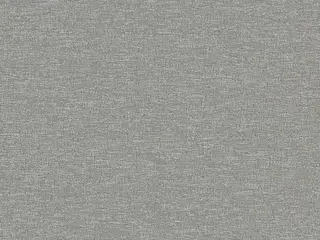
SheerWeave 7200R/7250R
A blackout and its light-filtering twin, eight colours, 118 inches
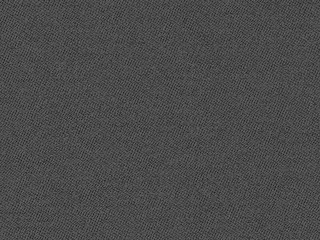
SheerWeave 7300/7350
Nine colours across a blackout and an uncoated light-filtering twin
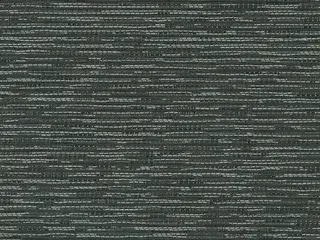
SheerWeave 7400/7450R
The warmest of the pairs, and the best fire listing among them
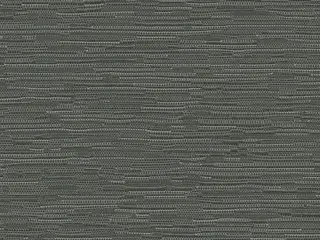
SheerWeave 7700R/7750R
A coloured back on the blackout, and the quietest light-filtering twin
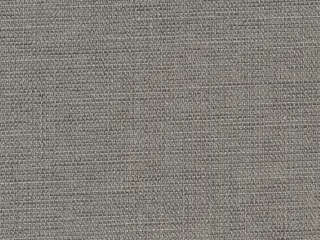
SheerWeave 7800/7850
A warm eight-colour pair, and the only one Phifer lists for Roman shades
The five pairs, and what separates them
7250R with 7200R
Eight colours from Swan through Oyster, Sail, Chiffon, Chrome and Earl Grey to Blazer and Raven. The lightest fabric of the group at 6.19 oz, and a published acoustic value of NRC 0.50. Class A under NFPA 101 and IBC 803.1.1, on California Technical Bulletin 117.
7350 with 7300
Nine colours: Icicle, Ivory, Natural, Cement, Dove, Storm, Taupe, Gunmetal, Raven. The only uncoated fabric here, 100% polyester at 7.1 oz, NRC 0.50, listed to NFPA 701 TM#1. The widest colour card of the five.
7450R with 7400
Eight warmer colours: Cotton, Parchment, Sesame, Pebble, Seagrass, Shale, Spice, Flint. NRC 0.25. Its blackout partner, 7400, carries the fullest fire listing of the pairs, which makes this the set to reach for on a commercial job.
7750R with 7700R
Seven colours from Crystal through Sand, Concrete, Chalk, Graphite and Pewter to Onyx, at 8.8 oz and NRC 0.55, the highest acoustic value in the group. Its blackout twin carries a coloured back, so Rs across that card runs from 6 in Onyx to 70 in Crystal.
7850 with 7800
Eight colours: Blanco, Almond, Raffia, Dove, Vine, Fleece, Aspen, Fossil. Listed to NFPA 701 TM#1 and BFD IX-1, and the one pair Phifer also lists for Roman shades as well as rollers and panel tracks.
Where a light-filtering fabric beats a screen
A solar screen is see-through and is chosen for the view; a light-filtering fabric is not, and is chosen for privacy and for soft light. Plenty of South Florida homes want both in the same house: the screen on the water side, the light-filtering weave on the street side, in a bathroom, in a guest room or on a stair window that looks straight at a neighbour. In a condo with a narrow side yard or on a Fort Lauderdale street of close-set houses, the light-filtering shade is the one that stays down all day without the room going dark.
Night privacy is the one thing it does not fully give. With the lights on inside, a pale fabric shows shapes. A dark colour from the card largely solves it (Raven, Onyx, Blazer, Gunmetal, Flint), and the blackout twin solves it completely, which is precisely why Phifer builds these as pairs. On a dual roller the two share a bracket and a colour, and the room simply changes state.
Compare the light-filtering designs
| Design | Colourways | Openness | Max width | Composition | PVC-free | NFPA 701 | Microban | Uses |
|---|---|---|---|---|---|---|---|---|
| SheerWeave 7200R/7250R | 8 | - | 118 in | 100% Polyester with Acrylic Coating | Yes | Not listed | No | Roller shades and panel tracks |
| SheerWeave 7300/7350 | 9 | - | 118 in | 100% Polyester | Yes | Yes | No | Roller shades and panel tracks |
| SheerWeave 7400/7450R | 8 | - | 118 in | 100% Polyester with Acrylic Coating | Yes | Not listed | No | Roller shades and panel tracks |
| SheerWeave 7700R/7750R | 7 | - | 118 in | 100% Polyester with Acrylic Coating | Yes | Not listed | No | Roller shades and panel tracks |
| SheerWeave 7800/7850 | 8 | - | 118 in | 100% Polyester with Acrylic Coating | Yes | Yes | No | Roller shades, Roman shades, and panel tracks |
Light-filtering on our installations
We use these most in bedrooms, baths and street-facing rooms from Miami Beach to Fort Lauderdale, and in condos where the association will not accept the mirrored look of a dark screen from outside. The usual specification is the light-filtering fabric in front and its blackout twin behind on one dual roller, both motorized, both in the same colour, so the bedroom runs one fabric from morning to night.
Light-filtering: frequently asked
What is the difference between light-filtering and a solar screen?
A solar screen has a measured openness and you can see through it: it is chosen for the view and for glare. A light-filtering fabric has no usable openness and you cannot: it is chosen for privacy and for soft daylight. Many houses use both, and our solar screen page covers the other half.
Are these fabrics private at night?
By day, completely. At night a lit room shows shapes through a pale fabric. Choose a dark colour from the card, or add the blackout twin behind it on a dual roller, which is what the matched colour cards are for.
Do all five have a blackout partner?
Yes, one each and in the same colour names: 7250R with 7200R, 7350 with 7300, 7450R with 7400, 7750R with 7700R, 7850 with 7800. That is the reason to specify from this page rather than pick a light-filtering fabric and a blackout separately.
Which is the quietest room fabric?
SheerWeave 7750R publishes NRC 0.55, then 7250R and 7350 at NRC 0.50 and 7450R at 0.25. Those are meaningful figures for a home office or a media room with hard floors, though a shade is only ever part of the answer on acoustics.
How wide can one shade be?
118 inches. All five fabrics are woven to that width and Phifer does not recommend railroading them, so a wider opening takes two shades on one headrail with the joint at a mullion.
Phifer light-filtering in Fort Lauderdale, Miami, Boca Raton & Palm Beach
Every fabric on this page is sourced directly from Phifer, cut and finished in our Fort Lauderdale workroom on Lutron, Somfy, Crestron or manual hardware, and installed by our own team from Miami to Palm Beach. Our showrooms in Fort Lauderdale (4539 Powerline Rd, by appointment) and Miami Beach (500 South Pointe Dr #150) have motorized shades running so you can judge the fabrics in motion.
Choose the fabric in your own light
Book a complimentary in-home consultation. Shortlist the designs you like and we bring the Phifer sample books, demo motors, and honest answers about openness, colour and exposure.